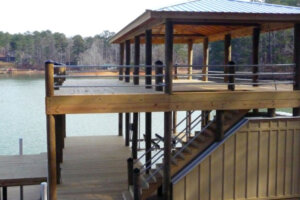
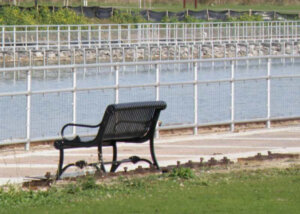
Readily Available
Simple to Design
Easy to Assemble
Built to Last

Corrosion Resistant
Low Maintenance Railing can Last Decades
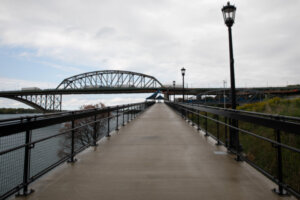
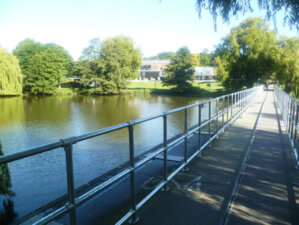
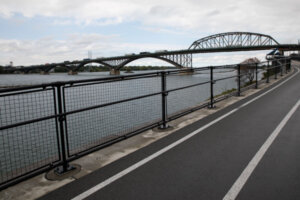
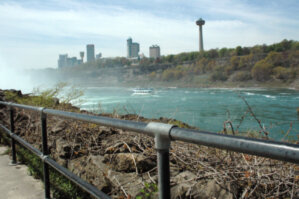
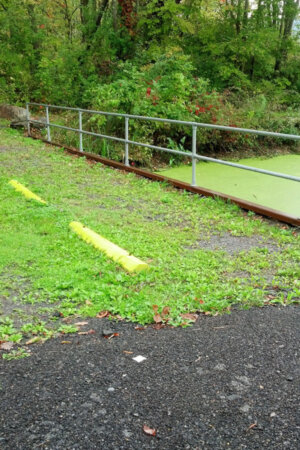
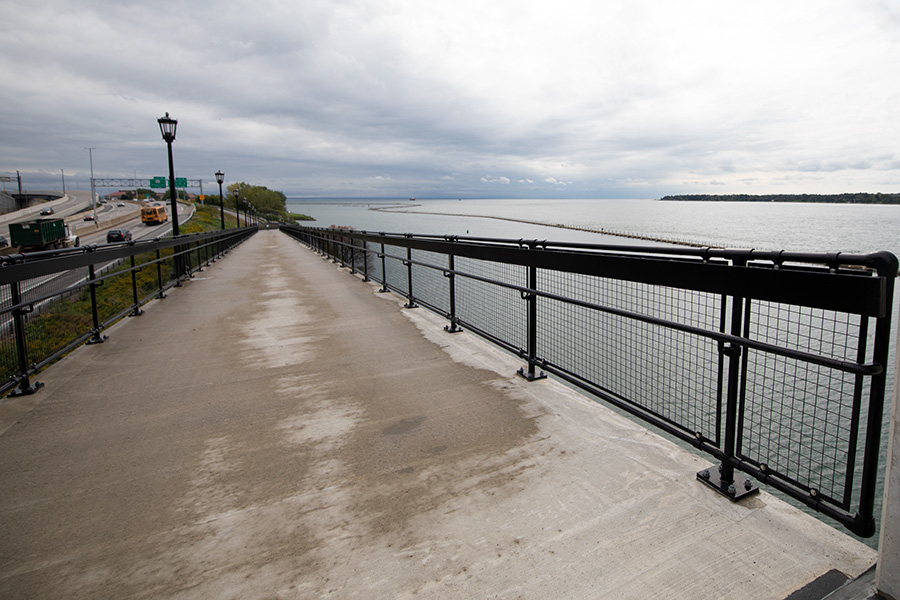
Walkway railings are intended to keep pedestrians safe on designated bike paths or park trails. A corroded railing or lack of a railing is unsafe, especially near waterways or a steep slope.
The steel Kee Klamp fittings are designed for longevity and strength with hot-dipped galvanization to ensure each connection point remains solid.
Designed to Your Specs
Start Your Walkway Railing Project Quickly
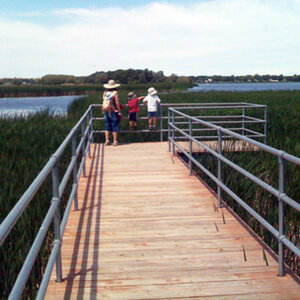
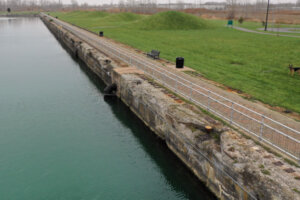
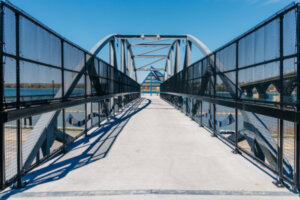
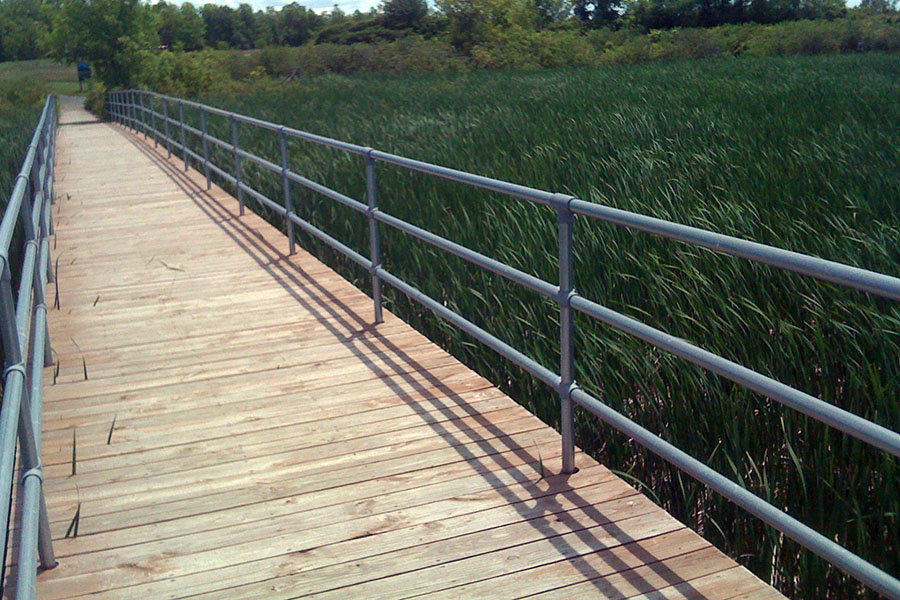
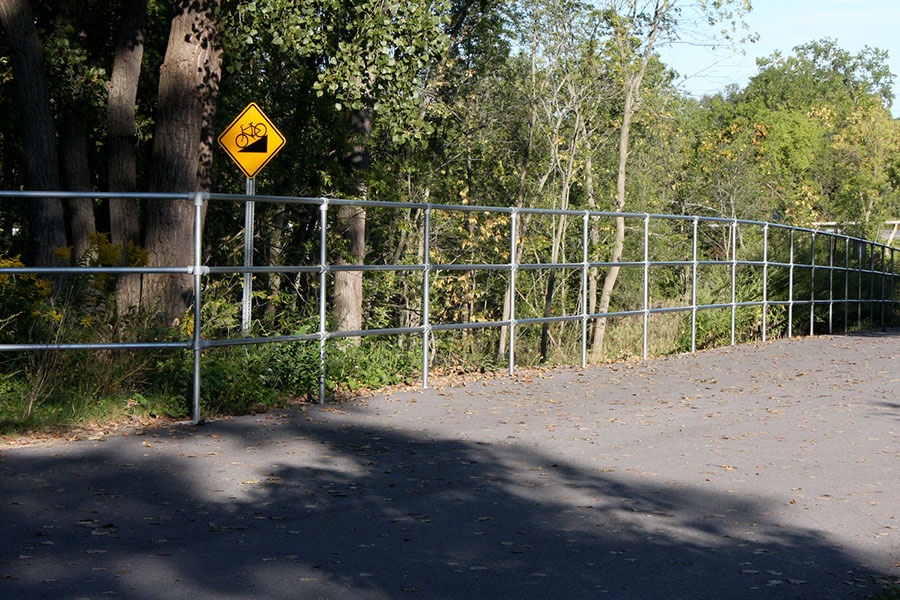
Whether you need a pedestrian railing for paths along canals, bridges, piers, or overpasses, Kee Klamp railing is easy to design and available.
Need infill panels? Have a curve in an odd place? No problem. Every railing project is unique.
- Galvanized steel or aluminum finish
- Powder-coated is optional
- Designed to your specifications with over 100 fittings
- Meets OSHA 1910.28 and OSHA 1910.29 regulations
- Designed to meet safety regulations for ADA and IBC
Simple to Install Handrail System
Skip Welding and Save Time
Without the need for highly skilled welders, you can save money and time installing your walkway railing system.
- Installation requires no special tools or labor
- If plans change, railing can be modified onsite
- Railing can be easily expanded or repurposed
Why Choose Kee Klamp for Your Walkway Railing System
Pedestrian Railing Projects