Pipe and Fitting Clothing Racks vs Standard Store Fixtures
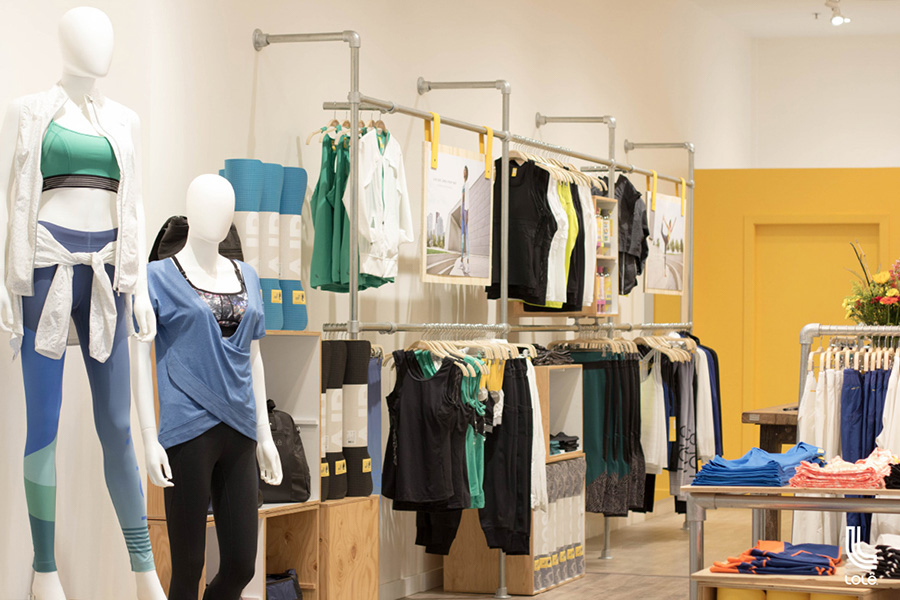
When businesses need clothing racks, the first instinct is often to look at traditional store fixtures. Many retailers, warehouses, and dry cleaners start with the same chrome garment racks commonly found in retail fixture catalogs or big box stores.
At first glance, these racks seem like an easy solution. They’re inexpensive, readily available, and designed to display clothing neatly. But once they’re put into real commercial use, especially in high-volume environments, many businesses discover that standard racks have limitations.
Bars start to sag under heavy garments. Frames loosen after repeated use. And expanding or modifying the rack layout often means replacing the entire system.
This is why many commercial buyers are turning to pipe and fitting clothing racks as an alternative. Built from structural steel pipe and modular fittings, these racks are designed for strength, durability, and flexibility in demanding environments.
Understanding Standard Store Fixtures
Standard store fixtures are the clothing racks most people picture when they think about retail displays. These racks are commonly used in boutiques, department stores, and clothing chains.
They’re typically made from thin chrome-plated tubing and welded together in fixed shapes.
Common styles include:
- Straight garment racks
- Double-bar racks
- Circular racks
- Rolling racks with lightweight casters
These fixtures are designed primarily for visual merchandising—helping clothing look attractive on the sales floor.
For many retail environments with light loads and limited inventory, standard fixtures work well enough.
What Are Pipe and Fitting Clothing Racks?
Pipe and fitting clothing racks use a different design approach.
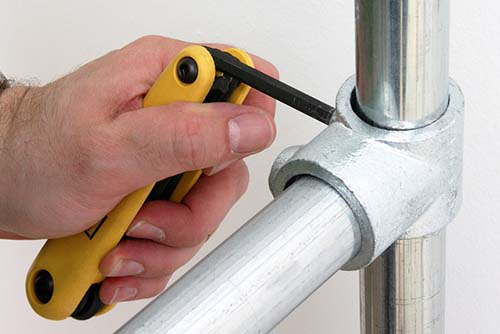
Instead of welded tubing, these racks are built using structural steel pipe connected with clamp-style fittings.
Each fitting connects securely to the pipe using set screws, creating a strong mechanical connection.
This modular construction allows racks to be assembled in many different configurations.
Common applications include:
- Wall-mounted clothing racks
- Freestanding garment racks
- Multi-tier storage systems
- Rolling garment racks
- Large warehouse storage layouts
Browse our full catalog of these clothing racks.
Key Differences Between the Two Systems
While both systems serve the same basic purpose, storing and displaying clothing, their performance in commercial environments can be very different.
Durability
One of the biggest differences between pipe racks and standard fixtures is durability.
Standard Store Fixtures
Most store fixtures use thin hollow tubing for the hanging bars and frame.
Over time, these racks may experience:
- Bent hanging bars
- Cracked welds
- Loose connections
- Frame instability
This is especially common when racks hold heavy garments like winter coats or workwear.
Once a rack begins to bend or loosen, it usually needs to be replaced.
Pipe and Fitting Racks
Pipe rack systems use structural steel pipe, which is significantly stronger than thin tubing.
This provides several advantages:
- Greater resistance to bending
- Stronger overall structure
- Longer lifespan in demanding environments
Because these racks are built with industrial materials, they’re commonly used in warehouses and manufacturing environments where reliability is critical.
Weight Capacity
Another major difference is how much weight each rack can safely support.
Standard Fixtures
Most retail racks are designed for display rather than storage. Their weight capacity may range from 75 to 150 pounds, depending on the design.
While this may be sufficient for lightweight garments, it can quickly become a problem when racks hold:
- Winter coats
- Work uniforms
- Bulk inventory
Bars may begin to sag when overloaded.
Pipe and Fitting Racks
Steel pipe racks offer significantly higher load capacity.
For example, a steel pipe hanging bar may support approximately:
- 229 lbs. across a 6-foot span
- 689 lbs. across a 2-foot span
This increased strength allows racks to handle dense garment storage without bending or sagging.
Customizable Clothing Racks
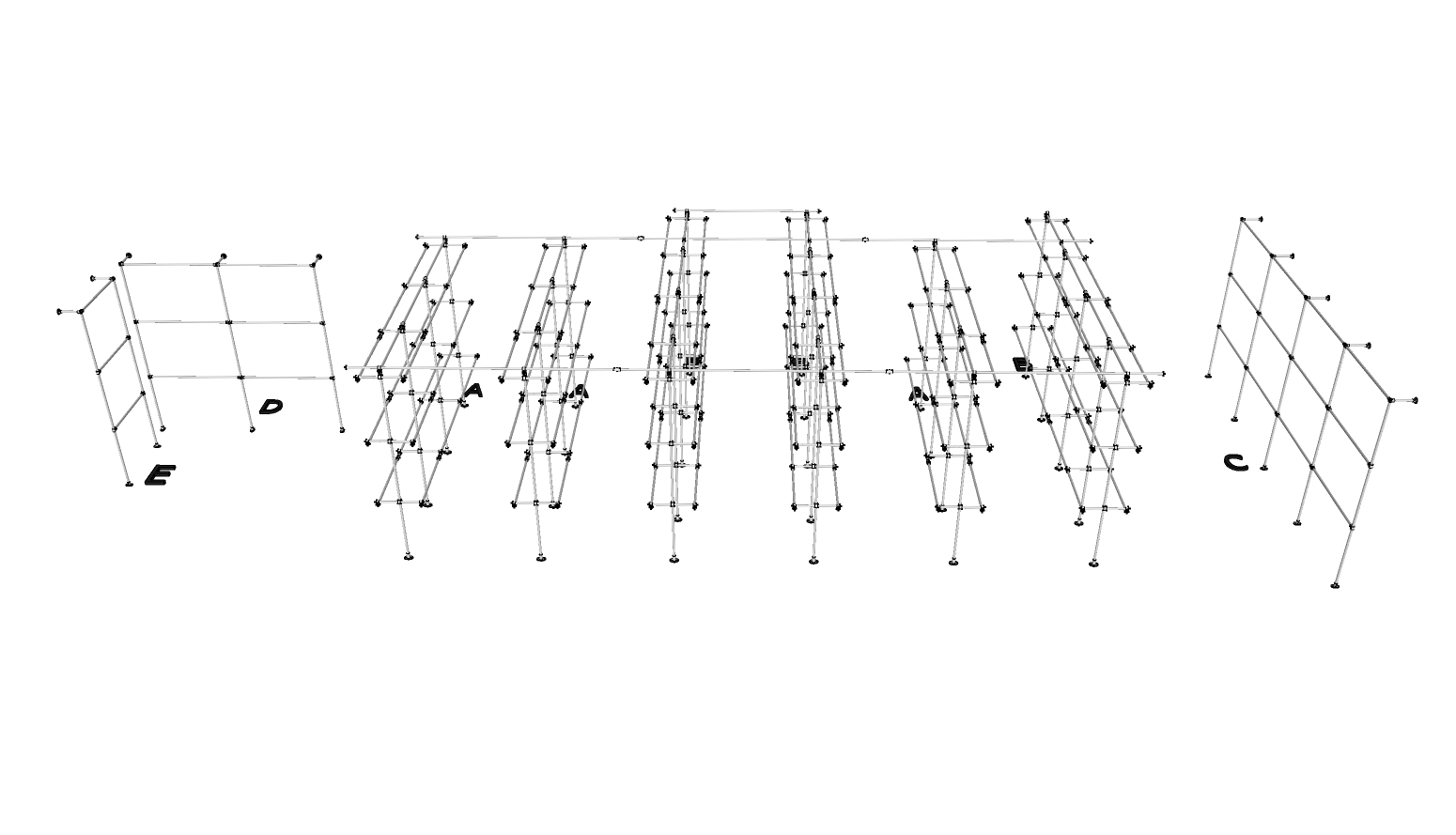
Another key difference between these rack systems is customization.
Standard Fixtures
Traditional store fixtures are usually manufactured in fixed sizes and shapes.
For example:
- 4-foot rack
- 5-foot rack
- 6-foot rack
If your space doesn’t match those dimensions perfectly, you may need to compromise your layout.
Customization options are often limited.
Pipe and Fitting Racks
Pipe rack systems are built from modular components, which makes them highly customizable.
Businesses can design racks that fit their exact space and workflow.
Examples include:
- Wall-mounted racks that span entire walls
- Multi-tier racks that use vertical space
- Freestanding racks sized for specific aisles
- Custom-height racks for different garment types
Expandability
As businesses grow, their storage needs often change.
This is another area where the two rack types differ significantly.
Standard Fixtures
With standard racks, expansion often means purchasing additional racks that match the existing ones.
However, problems can arise when:
- Models are discontinued
- Dimensions change
- Layout adjustments require different rack styles
Businesses may eventually end up replacing their entire rack system.
Pipe and Fitting Racks
Modular pipe rack systems are much easier to expand.
Additional sections can often be added to existing racks.
For example, you might:
- Extend a wall-mounted rack system
- Add another tier of hanging bars
- Connect multiple racks into a larger system
Stability
Rack stability is another important factor in commercial environments.
Standard Fixtures
Lightweight racks can sometimes become unstable when:
- Loaded unevenly
- Moved frequently
- Placed on uneven floors
This can lead to racks tipping or shifting during use.
Pipe and Fitting Racks
Pipe racks are generally heavier and more structurally rigid.
Their design often includes:
- Strong vertical supports
- Wide bases
- Secure fittings
Maintenance and Longevity

Commercial equipment should ideally last for many years.
Standard Fixtures
Because standard racks rely on welded tubing, repairs are difficult.
If a weld breaks or a bar bends, the entire rack often needs to be replaced.
This can create ongoing replacement costs over time.
Pipe and Fitting Racks
With modular pipe systems, individual components can often be replaced or adjusted without replacing the entire rack.
For example:
- A horizontal bar can be swapped out
- Additional fittings can be added
- Sections can be reconfigured
Design Flexibility
Pipe racks also offer greater design flexibility.
Businesses can create rack systems that fit their workflow rather than relying on pre-made fixtures.
Examples include:
- Long wall-mounted garment runs
- Double-tier racks for high ceilings
- Rolling racks for garment transport
- Custom warehouse storage layouts
Where Standard Fixtures Still Make Sense
Despite their limitations, standard fixtures still have a place in some environments.
They can be a good option for:
- Small boutiques with limited inventory
- Temporary retail displays
- Lightweight garment displays
- Low-traffic environments
For these uses, the lower upfront cost may be appealing.
Industries That Benefit from Pipe Rack Systems

Pipe and fitting clothing racks are widely used in industries that require durable storage solutions.
These include:
Retail Stores
High-volume retailers benefit from racks that support large quantities of merchandise without bending.
Warehouses
Apparel warehouses often store hundreds or thousands of garments at once.
Pipe racks provide the strength needed for dense storage.
Dry Cleaners
Dry cleaning operations rely heavily on garment racks for sorting and storing cleaned items.
Strong racks prevent bars from sagging under dense loads.
Facilities and Uniform Storage
Long-Term Value
When comparing rack systems, it’s important to think beyond initial cost.
While standard fixtures may cost less upfront, they often require replacement over time.
Pipe rack systems may represent a larger initial investment, but they offer:
- Greater durability
- Higher load capacity
- Custom design options
- Expandability as storage needs grow
Final Thoughts
Clothing racks may seem like a simple piece of equipment, but the right rack system can make a significant difference in daily operations.
Standard store fixtures work well for lightweight display environments, but they often struggle in commercial settings where racks carry heavy loads and see constant use.
Pipe and fitting clothing racks offer a stronger and more flexible alternative. Built from durable materials and modular components, they provide the durability, customization, and expandability that many businesses need.
Looking to get started on a new pipe and fittings clothing rack? Contact our team of project specialists who can assist with designing you brand new clothing today!