How Much Weight Can a Commercial Clothing Rack Hold?

If you run a retail store, warehouse, dry cleaner, or manage facilities that store uniforms or garments, you’ve probably asked this question before:
How much weight can a clothing rack actually hold?
At first glance, clothing racks seem simple. But once you start loading them with winter coats, workwear, uniforms, or bulk inventory, weight adds up quickly. Many businesses discover the hard way that standard retail racks simply aren’t designed for heavy commercial use.
Sagging bars, bent frames, and unstable racks are common problems when equipment isn’t built for the loads it’s expected to carry.
The good news is that heavy duty rack systems, especially those built from structural pipe, can support significantly more weight than traditional store fixtures.
How Much Weight Can a Commercial Clothing Rack Hold?
The weight capacity of a clothing rack depends heavily on the materials used and the design of the rack.
For heavy duty racks built from structural pipe, weight capacity can be substantial.
For example, a typical steel pipe hanging bar can support approximately:
- 229 lbs. across a 6-foot span
- 689 lbs. across a 2-foot span
The shorter the span between supports, the more weight the bar can hold. This is because shorter spans reduce bending stress in the pipe.
These numbers illustrate an important principle: rack design matters just as much as materials.
A properly designed rack distributes weight efficiently across supports, dramatically increasing the total load it can safely handle.
Why Do Some Clothing Racks Bend or Fail?
If you’ve ever seen a clothing rack with a bowed or sagging bar, the problem usually comes down to materials and load distribution.
Most standard store fixtures use thin hollow tubing for the hanging bar. While this works for lightweight garments, it quickly reaches its limits when heavier loads are added.
Common issues include:
- Thin metal tubing bending under load
- Weak welded joints cracking
- Narrow bases becoming unstable
- Uneven loads causing racks to tip
Once a rack begins to bend, its structural integrity is compromised, and it may eventually fail.
How Quickly Does Clothing Weight Add Up?
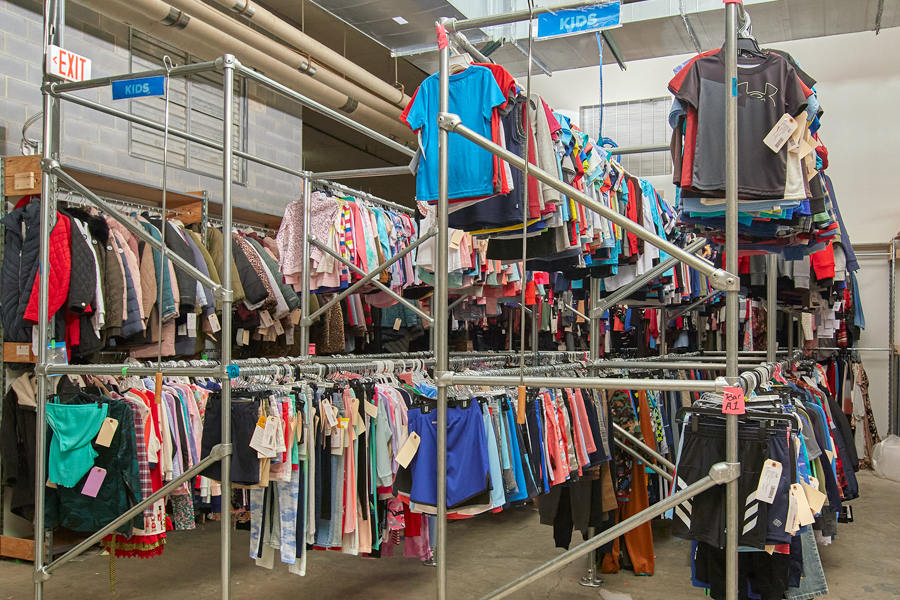
One of the biggest misconceptions about clothing racks is how quickly weight accumulates.
A single garment might seem light, but racks are rarely loaded with just a few items.
Here are some approximate weights:
- T-shirts: 0.5–1 lb. each
- Jeans: 1.5–2 lbs. each
- Work jackets: 3–4 lbs. each
- Winter coats: 4–6 lbs. each
Now consider a typical 6-foot rack filled with winter coats.
If you hang 50 coats averaging 4.5 pounds each, the total load is:
225 pounds
That’s already approaching the 229 lbs. capacity for a 6-foot span of heavy-duty pipe.
In many real-world situations, racks are loaded even more heavily than this.
What Factors Affect Clothing Rack Weight Capacity?
Several factors determine how much weight a rack can safely hold.
Understanding these factors helps buyers choose the right rack system for their environment.
1. The Hanging Bar Material
The most important factor in rack strength is the material used for the hanging bar.
Many retail racks use thin chromed tubing, which bends easily under heavy loads.
Heavy duty racks use structural steel pipe, which has significantly greater strength and resistance to bending.
Steel pipe distributes loads more effectively and maintains its shape even when carrying large amounts of weight.
2. Distance Between Supports
As mentioned earlier, the distance between supports dramatically affects how much weight a rack can hold.
For example:
- A 6-foot span may support about 229 lbs
- A 2-foot span may support about 689 lbs
Reducing the distance between supports increases load capacity by reducing bending stress on the pipe.
This is why many commercial rack systems include additional vertical supports or multi-tier designs.
3. Overall Rack Design
The structure of the rack itself also affects how weight is distributed.
Features that increase capacity include:
- Multiple vertical supports
- Cross bracing for stability
- Double hanging bars
- Wide bases or wall anchoring
Well-designed rack systems spread the load evenly across the structure instead of concentrating weight in one area.
4. Connection Strength
How the rack components connect to each other also matters.
Many store fixtures rely on welded joints that can weaken over time.
Heavy duty rack systems often use mechanical clamp fittings that grip the pipe securely. These fittings distribute forces evenly and maintain structural strength even under heavy loads.
5. Load Distribution
Even the strongest rack can experience problems if garments are loaded unevenly.
For example:
- Placing most garments in the center of a bar increases bending
- Hanging heavy coats on one side of a rack may create imbalance
- Overloading one tier while leaving others empty creates uneven stress
What Is the Typical Capacity of Standard Retail Racks?
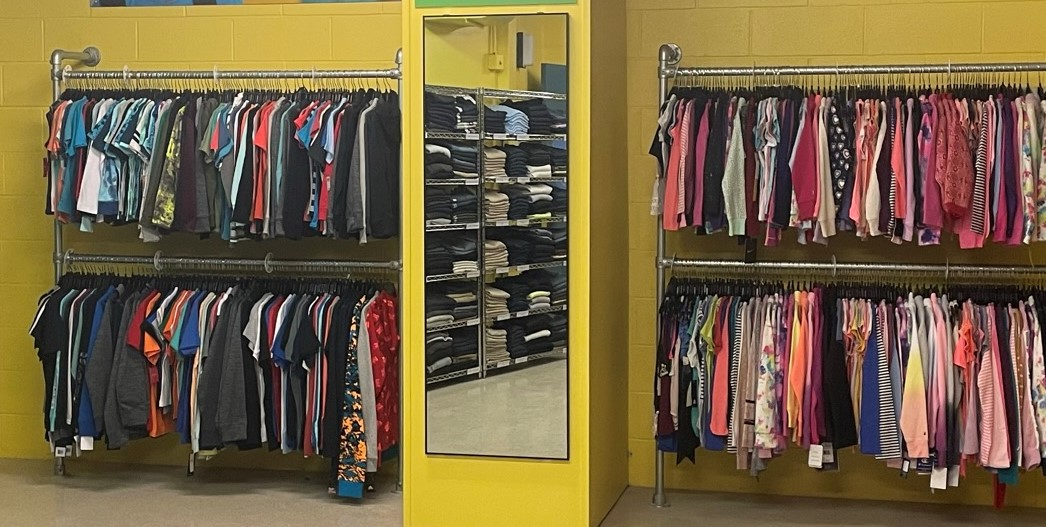
Many lightweight retail racks are designed primarily for display rather than heavy storage.
Typical capacities may range from 75 to 150 pounds, depending on the rack design.
This can be sufficient for boutique environments where racks hold small quantities of lightweight garments.
However, in commercial environments like warehouses or dry cleaners, this capacity is often inadequate.
Businesses that exceed these limits frequently experience:
- Bent hanging bars
- Broken welds
- Collapsed racks
Why Heavy-Duty Pipe Clothing Racks Perform Better
Commercial buyers often switch to pipe rack systems because they offer much greater strength and reliability.
Pipe rack systems use steel pipe and structural fittings rather than thin tubing.
This design offers several advantages.
Higher Load Capacity
Steel pipe can handle significantly heavier loads without bending.
This allows racks to support dense garment storage without structural problems.
For environments that regularly handle large quantities of clothing, this strength is essential.
Increased Durability
Heavy duty racks are built for long-term use in demanding environments.
They can withstand:
- Frequent loading and unloading
- Rolling racks across floors
- Accidental impacts from carts or equipment
Instead of bending or breaking, the rack maintains its structural integrity.
Modular Design
Pipe rack systems are typically modular, meaning they are assembled from standardized components.
This allows racks to be customized for different environments.
Businesses can build:
- Freestanding racks
- Wall-mounted racks
- Double-tier garment racks
- Rolling racks with casters
- Large warehouse storage systems
The same components can often be reconfigured as needs change.
Expandability
Another advantage of modular racks is expandability.
As storage needs grow, additional sections can be added without replacing the entire rack system.
What Industries Need Heavy Duty Clothing Racks?
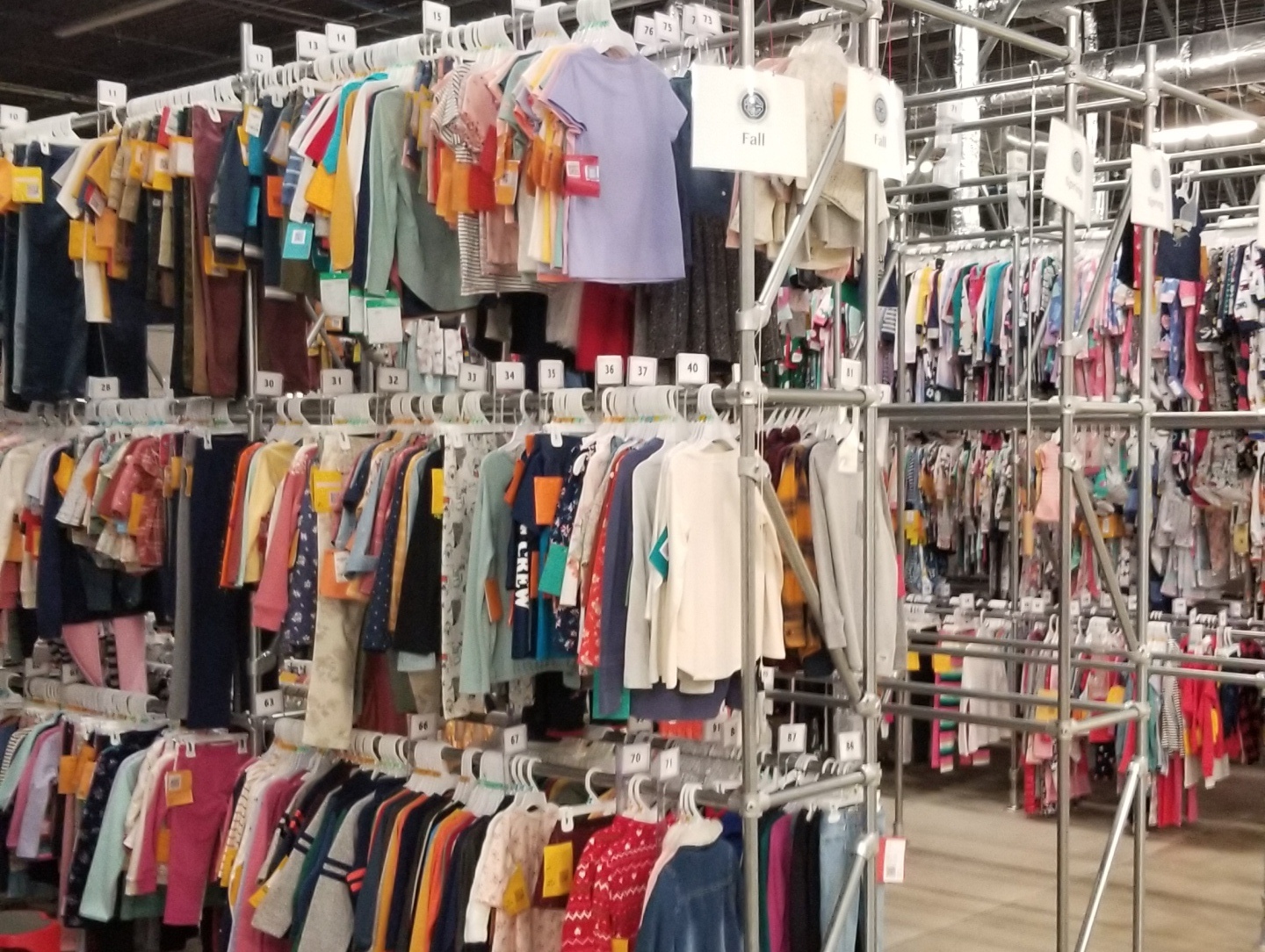
While clothing racks are often associated with retail stores, many industries rely on them for daily operations.
Heavy duty racks are commonly used in:
Retail Stores
High-volume retailers need racks that can support large amounts of merchandise without bending or becoming unstable.
Warehouses and Distribution Centers
Apparel warehouses often store hundreds or thousands of garments on racks.
Strong rack systems ensure inventory remains organized and accessible.
Dry Cleaners
Dry cleaning operations frequently store large quantities of garments on racks awaiting pickup.
Heavy duty racks prevent bars from bending under dense loads.
Uniform and Facility Storage
Facilities teams often manage uniforms, safety gear, or specialized garments.
How Can You Increase Rack Weight Capacity?
If your racks regularly carry heavy loads, a few design adjustments can increase their strength.
Add More Vertical Supports
Reducing the span between supports increases load capacity significantly.
Adding additional vertical posts helps distribute weight more evenly.
Use Shorter Hanging Sections
Instead of one long bar, multiple shorter sections can dramatically increase strength.
As noted earlier, a 2-foot span can hold up to 689 lbs, far more than a long unsupported bar.
Choose Stronger Materials
Upgrading from thin tubing to structural steel pipe dramatically increases durability and load capacity.
Anchor Racks When Possible
How Do You Know If Your Racks Are Overloaded?
There are a few warning signs that a clothing rack may be carrying too much weight.
Watch for:
- Visible bending or sagging of the hanging bar
- Difficulty rolling racks (if on wheels)
- Loose or shifting joints
- Uneven rack posture
- Racks tipping when garments are loaded
Choosing a Rack System Built for Commercial Use
For businesses that handle large volumes of garments, choosing the right rack system is about more than just storage.
It’s about creating an infrastructure that supports efficient operations day after day.
Heavy duty rack systems built from steel pipe provide the strength needed for demanding environments while offering flexibility for different layouts and storage needs.
Final Thoughts
So how much weight can a commercial clothing rack hold?
The answer depends on the design and materials used, but heavy duty pipe rack systems provide impressive strength.
For example:
- 229 lbs. across a 6-foot span
- 689 lbs. across a 2-foot span
These numbers illustrate why structural pipe racks are a reliable solution for businesses that need dependable garment storage.
Whether you operate a retail store, warehouse, dry cleaner, or facility that manages uniforms, choosing racks designed for real-world commercial use can save time, reduce equipment failures, and keep operations running smoothly.
Connect with one of our project specialists today to start designing your new heavy-duty clothing rack today!