Heavy Duty Clothing Racks for Retail Stores: What to Look For

Retail clothing racks might seem like a simple fixture, but anyone who has worked in retail, warehouse distribution, or garment services knows they play a critical role in daily operations. When racks fail, bend, or collapse under heavy loads, they slow down your team, damage merchandise, and create safety hazards.
If your business depends on storing, organizing, or displaying clothing, investing in heavy duty clothing racks is one of the most practical decisions you can make. Whether you run a retail store, warehouse, dry cleaner, or apparel distribution center, the right rack system can dramatically improve efficiency and reliability.
Why Heavy-Duty Clothing Racks Matter
Most retail fixtures are designed for visual merchandising, not long-term durability. Many stores start with lightweight racks purchased from fixture suppliers or big box retailers. These racks may work fine for a small boutique with light garments, but they often struggle in high-volume environments.
Problems typically appear quickly:
- Bars begin to bow under heavy loads
- Welded joints loosen or crack
- Bases become unstable
- Racks tip when moved
- Limited designs make it hard to expand or reconfigure
For businesses handling large quantities of clothing, like warehouses, dry cleaners, fulfillment operations, or high-volume retailers, these issues create constant headaches.
A heavy-duty rack system eliminates these problems by prioritizing structural strength, long-term durability, and flexibility.
Key Features to Look for in a Heavy-Duty Clothing Rack
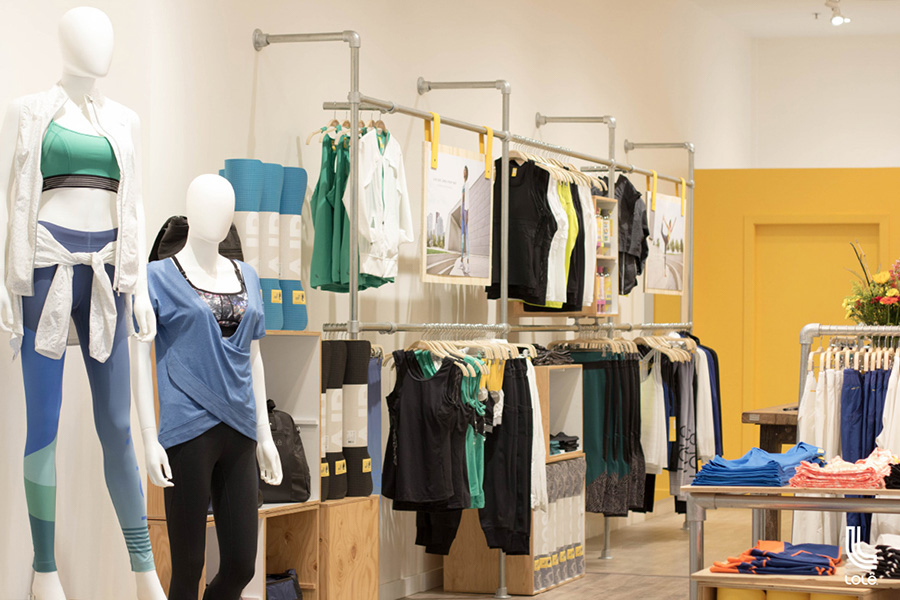
Not all clothing racks are built the same. If you're evaluating options, there are several key factors that determine whether a rack will perform reliably in a commercial environment.
1. High Weight Capacity
One of the most important specifications for a clothing rack is weight capacity.
Standard retail racks are often rated for only 100–200 pounds, which might sound adequate until you start loading winter coats, denim, uniforms, or bulk inventory.
Consider how quickly weight adds up:
- Heavy winter coats can weigh 3–5 pounds each
- 50 coats could exceed 200 pounds
- Large garment runs can easily exceed 300–400 pounds
When racks aren't designed for this type of load, the hanging bar starts to bend. Once bending begins, the rack becomes permanently compromised.
Heavy duty pipe racks, on the other hand, are designed to handle significantly more weight because the horizontal bar is typically made from structural steel pipe rather than thin tubing.
This dramatically increases load capacity and eliminates the common problem of sagging bars.
2. Structural Durability
Durability is especially important in environments where racks are frequently moved, loaded, or reconfigured.
Commercial clothing racks experience daily wear from:
- Moving inventory
- Loading and unloading garments
- Rolling racks across floors
- Accidental impacts from carts or equipment
Many store fixtures rely on thin hollow tubing with welded joints, which can weaken over time. Once a weld fails, the rack usually needs to be replaced entirely.
Heavy duty racks built from industrial pipe and clamp fittings offer a much stronger solution. These systems rely on mechanical fittings that clamp securely to the pipe, creating a rigid structure without relying on welds that can crack or break.
This design provides two major advantages:
- Greater long-term durability
- Replaceable or adjustable components
If a section ever needs adjustment, the system can simply be reconfigured rather than replaced.
3. Stability and Safety
Safety is a major concern in retail and warehouse environments. An unstable rack can tip when overloaded or when garments are unevenly distributed.
Lightweight racks with narrow bases are especially prone to tipping, which can lead to:
- Damaged inventory
- Workplace injuries
- Disorganized displays
Heavy duty racks are typically designed with wider bases and stronger vertical supports, providing a much more stable structure.
Pipe-based systems also allow businesses to build racks that are anchored, freestanding, or mobile, depending on operational needs.
For example:
- A retail floor might use freestanding racks
- A warehouse might use fixed racking systems
- A dry cleaner might use rolling garment racks
The flexibility to match the rack design to the environment improves both safety and efficiency.
4. Customizable Layouts
Retail and storage environments change frequently. Seasonal merchandise, promotional displays, and inventory fluctuations often require new layouts.
Unfortunately, many retail fixtures come in fixed sizes and designs, making it difficult to adapt them to changing needs.
Heavy duty modular racks built from pipe systems provide a different approach.
Because the structure is assembled from standardized pipe and fittings, the racks can be customized in a wide variety of configurations, including:
- Single bar racks
- Double bar racks
- Wall-mounted garment racks
- Rolling racks
- Multi-tier storage racks
If your layout changes, the same components can often be reused to build a new configuration.
This level of adaptability makes modular pipe racks especially attractive for businesses that expect growth or frequent layout changes.
5. Expandability
Another major advantage of modular rack systems is expandability.
Many businesses start with a limited number of racks, only to find they need more storage capacity as operations grow.
Traditional fixtures can be difficult to expand because:
- They must match existing models
- Discontinued products are hard to replace
- Layout changes require buying entirely new racks
With modular pipe rack systems, expansion is simple.
You can often add:
- Additional horizontal bars
- Extra sections
- Vertical extensions
- Additional rows of racks
Instead of replacing your entire system, you simply add components to your existing structure.
Why Pipe Clothing Racks Outperform Standard Store Fixtures
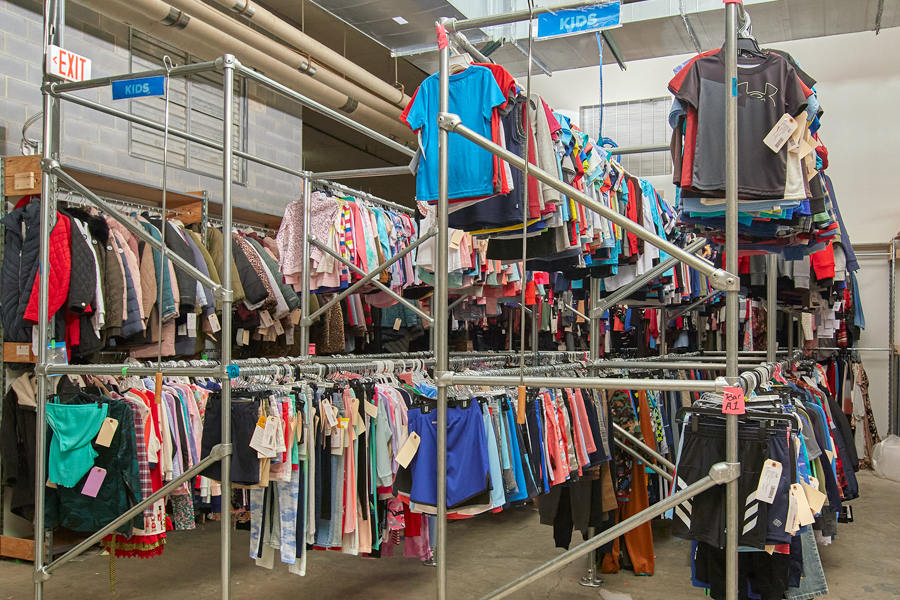
Pipe-based rack systems have become increasingly popular in commercial environments because they combine strength, flexibility, and long-term reliability.
Here’s why they consistently outperform traditional retail fixtures.
Stronger Materials
Most retail racks are made from thin chromed tubing. While these racks may look sleek, they aren't designed for heavy commercial use.
Pipe racks use structural steel pipe, which is significantly stronger and more resistant to bending.
This increased strength provides:
- Higher weight capacity
- Greater durability
- Reduced risk of bar sagging
For businesses storing large volumes of garments, this difference becomes very noticeable over time.
Modular Assembly
Traditional racks are usually welded in fixed shapes. Once they’re built, they can’t easily be modified.
Pipe racks assembled with clamp-style fittings allow you to:
- Adjust bar height
- Extend rack width
- Add additional bars
- Change configurations
This modular design makes them extremely adaptable to evolving operational needs.
Long-Term Cost Efficiency
At first glance, lightweight racks may seem less expensive. But they often need to be replaced regularly due to bending or structural failure.
Heavy duty racks built from pipe are designed for long-term use, often lasting many years even in demanding environments.
Instead of repeatedly purchasing new racks, businesses invest once in a system that can grow and adapt over time.
Industrial Reliability
Pipe rack systems are commonly used in industrial environments where reliability is essential.
These systems are frequently used in:
- Warehouses
- Manufacturing facilities
- Distribution centers
- Commercial laundries
- Dry cleaning operations
Ideal Applications for Heavy Duty Clothing Racks

Heavy duty racks are useful in a wide range of industries beyond traditional retail.
Some common applications include:
Retail Stores
Retailers benefit from durable racks that support heavy inventory while maintaining a clean and organized display.
Heavy duty racks are especially useful for:
- Outerwear stores
- Workwear retailers
- Thrift stores
- High-volume apparel shops
Warehouses and Fulfillment Centers
Garment distribution centers often store hundreds or thousands of pieces of clothing at once.
Heavy duty racks provide:
- High weight capacity
- Efficient organization
- Reliable long-term storage
Dry Cleaners and Laundry Services
Dry cleaners frequently store large numbers of garments on rolling racks.
A stronger rack structure prevents bending bars and extends the life of the equipment.
Facilities and Costume Departments
Facilities teams and production departments often store uniforms, costumes, or specialized garments.
Choosing the Right Rack System
When selecting a heavy-duty clothing rack, it helps to think beyond short-term needs.
Consider:
- How much weight the rack will regularly hold
- Whether your layout may change
- If your storage needs may expand
- How often racks will be moved
A Smarter Approach to Garment Storage
Clothing racks are often overlooked when planning retail or warehouse infrastructure. But when racks fail, the impact is immediate and disruptive.
Investing in heavy duty clothing racks built from durable pipe systems provides a much more reliable solution.
You can shop now with our selection of industrial clothing racks, or you can speak with a project specialist about designing a customer clothing rack layout for your retail space.